
Introduction to the Concept of Machine Intelligence
Artificial Intelligence has transformed the modern world, influencing industries such as healthcare, finance, education, and entertainment. The Turing test definition of artificial intelligence is one of the earliest and most influential ideas for measuring machine intelligence. This concept provides a practical method to evaluate whether a machine can demonstrate intelligent behavior comparable to a human. Rather than focusing on how a machine thinks internally, the idea centers on how it behaves externally during interaction. The turing test definition of artificial intelligence remains one of the most discussed topics in AI philosophy and computer science. It bridges the gap between human cognition and machine capability, offering a measurable standard for intelligence. Understanding this foundational idea helps learners grasp how artificial intelligence evolved and why it continues to spark debate in modern technological discussions.
Historical Background of the Turing Test

The turing test definition of artificial intelligence originates from the work of British mathematician and computer scientist Alan Turing. In 1950, he published a groundbreaking paper titled “Computing Machinery and Intelligence,” in which he proposed a simple question: Can machines think? Instead of directly defining thinking, Turing suggested a practical experiment known as the “Imitation Game.” In this game, a human judge interacts with both a machine and a human through text-based communication. If the judge cannot reliably distinguish between the two, the machine is said to have passed the test. The turing test definition artificial intelligence therefore focuses on indistinguishable communication rather than internal processing. This historical proposal laid the foundation for decades of research and inspired scientists to develop machines capable of mimicking human conversation and reasoning patterns.
What ‘s the Turing Test?
The turing test definition of artificial intelligence can be described as a behavioral test of a machine’s ability to exhibit intelligent responses equivalent to a human. In practical terms, a human evaluator engages in a text-based conversation with both a computer and another human without knowing which is which. If the evaluator cannot consistently identify the machine, it is considered intelligent, according to the test criteria. The key element in the turing test definition of artificial intelligence is deception through natural conversation. The machine does not need to truly understand emotions or consciousness; it only needs to respond convincingly. This feature makes the test both fascinating and controversial, as it measures performance rather than genuine understanding. Despite criticism, it remains a milestone concept in AI studies.
How the Turing Test Works
The structure of the turing test definition of artificial intelligence is relatively simple but conceptually powerful. There are three participants: a human judge, a human respondent, and a machine. All communication happens through text to eliminate voice or physical clues. The judge asks questions, and both the human and the machine respond. After a set time, the judge decides which participant is human. The machine passes the test if it can fool the judge a sizable percentage of the time.
This process emphasizes conversational skill, logical reasoning, and contextual understanding. The turing test definition artificial intelligence does not require visual recognition, physical movement, or emotional awareness. Instead, it evaluates linguistic and reasoning abilities, which were considered strong indicators of intelligence when the concept was first introduced.
Photo Illustration of the Imitation Game
This image represents the simple structure of the imitation game used in the turing test definition artificial intelligence.
Importance in Artificial Intelligence Development

The turing test definition artificial intelligence has played a major role in shaping AI research priorities. Early AI developers focused heavily on natural language processing because conversational ability became a benchmark for intelligence. Chatbots, virtual assistants, and customer service bots are modern outcomes of this influence.
The test also sparked philosophical discussions about the nature of intelligence and consciousness. It challenged researchers to consider whether imitation alone qualifies as true intelligence. While modern AI systems can generate highly convincing responses, debates continue about whether they genuinely “understand” or simply process patterns. Even today, the turing test definition artificial intelligence remains relevant as a symbolic goalpost in evaluating progress in machine-human interaction.
Examples of Machines Attempting the Test
Over the years, various programs have attempted to pass the turing test definition artificial intelligence. Early chatbots such as ELIZA simulated conversation by using pattern matching. Although simple by today’s standards, these systems demonstrated how machines could mimic human dialogue.
In later decades, more advanced conversational programs claimed partial success in fooling judges under controlled conditions. However, critics argue that brief deception does not necessarily prove real intelligence. The turing test definition artificial intelligence sets a high bar because sustained, meaningful conversation requires context awareness and logical consistency. These examples highlight both the progress and limitations of AI systems.
Criticism and Limitations

Despite its influence, the turing test definition artificial intelligence faces significant criticism. Some experts argue that the test measures imitation rather than genuine understanding. A machine might pass by using clever tricks, evasive answers, or humor without truly comprehending the discussion.
Another limitation is that intelligence extends beyond language. Visual reasoning, emotional intelligence, and creativity are also important aspects of cognition. The turing test definition artificial intelligence does not account for these dimensions. Critics believe that focusing solely on conversational ability oversimplifies intelligence. Nevertheless, even critics acknowledge its historical and philosophical importance.
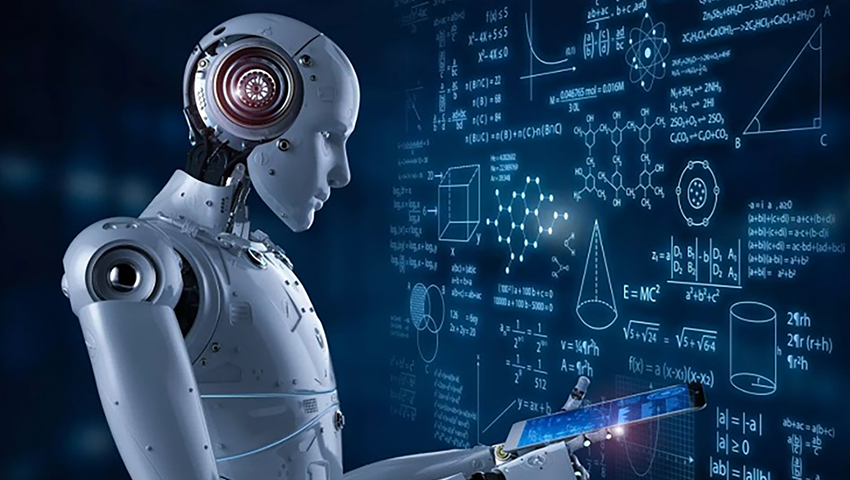
This image symbolizes modern conversational systems inspired by the turing test definition of artificial intelligence.
Modern Relevance in the AI Era
Today’s AI systems use advanced machine learning models capable of generating detailed responses, translating languages, and assisting in research. The turing test definition artificial intelligence still serves as a reference point when evaluating how naturally machines communicate.
However, modern evaluation methods include more comprehensive benchmarks, such as problem-solving tasks and ethical reasoning tests. The Turing Test is no longer the only standard, but it is still a cultural and academic symbol of machine intelligence. The continued discussion of the turing test definition of artificial intelligence demonstrates its enduring influence on technological progress.
Comparison Table: Turing Test vs Other AI Evaluations
| Evaluation Method | Focus Area | Main Limitation |
|---|---|---|
| Turing Test | Conversational ability | Ignores non-verbal intelligence |
| Problem-Solving Tests | Logical reasoning | Limited social interaction |
| Visual Recognition Tests | Image interpretation | No language assessment |
| Emotional AI Tests | Emotion detection | Subjective measurement |
This comparison shows how the turing test definition of artificial intelligence fits among broader evaluation methods.
Frequently Asked Questions
-
What is the turing test definition of artificial intelligence in simple words?
It is a test that checks whether a machine can imitate human conversation well enough to fool a human judge. -
Who proposed the Turing Test?
Alan Turing introduced it in 1950. -
Does passing the test mean a machine is truly intelligent?
Not necessarily; it only means the machine can imitate human responses convincingly. -
Is the Turing Test still relevant today?
Yes, it remains important as a historical and philosophical benchmark. -
What is the main criticism of the test?
It focuses only on language imitation rather than full cognitive ability.
Conclusion
The Turing test definition of artificial intelligence is still one of the most important ideas in the history of computer science. Proposed as a practical experiment to answer whether machines can think, it shifted the focus from defining intelligence to observing behavior. Although modern AI evaluation methods have expanded beyond conversation, the Turing Test continues to symbolize the quest for human-like machine intelligence. Its strengths lie in simplicity and philosophical depth, while its limitations remind us that intelligence is multifaceted. Understanding this concept offers helpful information about both the past and future of artificial intelligence development.
Read More:- top artificial intelligence stocks 2025

