
Introduction to Modern Intelligent Systems
Advances in artificial intelligence and machine learning are transforming the way humans interact with technology, businesses, and society. Over the last decade, intelligent systems have evolved from simple rule-based programs to highly adaptive models capable of learning, reasoning, and making decisions. These technologies now power search engines, recommendation systems, virtual assistants, and even autonomous vehicles. The growing computational power, availability of large datasets, and improvements in algorithm design have accelerated innovation in this field. Today, advances in artificial intelligence and machine learning influence industries such as healthcare, finance, education, manufacturing, and entertainment. As organizations continue investing in research and development, intelligent systems are becoming more efficient, accurate, and accessible. Understanding these developments helps individuals and businesses prepare for a future where AI-driven solutions are integrated into everyday life and global economies.
Deep Learning and Neural Network Breakthroughs

One of the most significant advances in artificial intelligence and machine learning has been the development of deep learning models. Deep learning relies on artificial neural networks inspired by the human brain. These networks consist of multiple layers that process data and identify patterns. Improvements in graphics processing units and cloud computing have enabled researchers to train complex models on massive datasets. As a result, deep learning systems now achieve high accuracy in image recognition, speech processing, and natural language understanding. Convolutional neural networks excel in computer vision tasks, while recurrent and transformer-based architectures enhance language processing capabilities. These advances in artificial intelligence and machine learning have allowed systems to perform tasks once considered exclusive to human intelligence. From detecting diseases in medical scans to powering smart voice assistants, deep learning continues to reshape technological possibilities across various domains.
Natural Language Processing Revolution
Communication between humans and machines has significantly improved due to advances in artificial intelligence and machine learning in natural language processing. Modern language models can understand context, interpret sentiment, and generate human-like responses. Businesses use NLP tools for chatbots, automated customer support, and real-time translation services. Educational platforms apply language processing systems to evaluate student responses and provide feedback. These innovations make digital communication more seamless and efficient. Sentiment analysis helps organizations understand customer opinions, while text summarization tools save time by extracting essential information. Advances in artificial intelligence and machine learning have enabled conversational AI systems to interact more naturally, reducing misunderstandings and improving user satisfaction. As language technologies continue evolving, machines are becoming better at understanding nuances, slang, and multilingual conversations, enhancing global connectivity and accessibility.
Computer Vision and Image Recognition
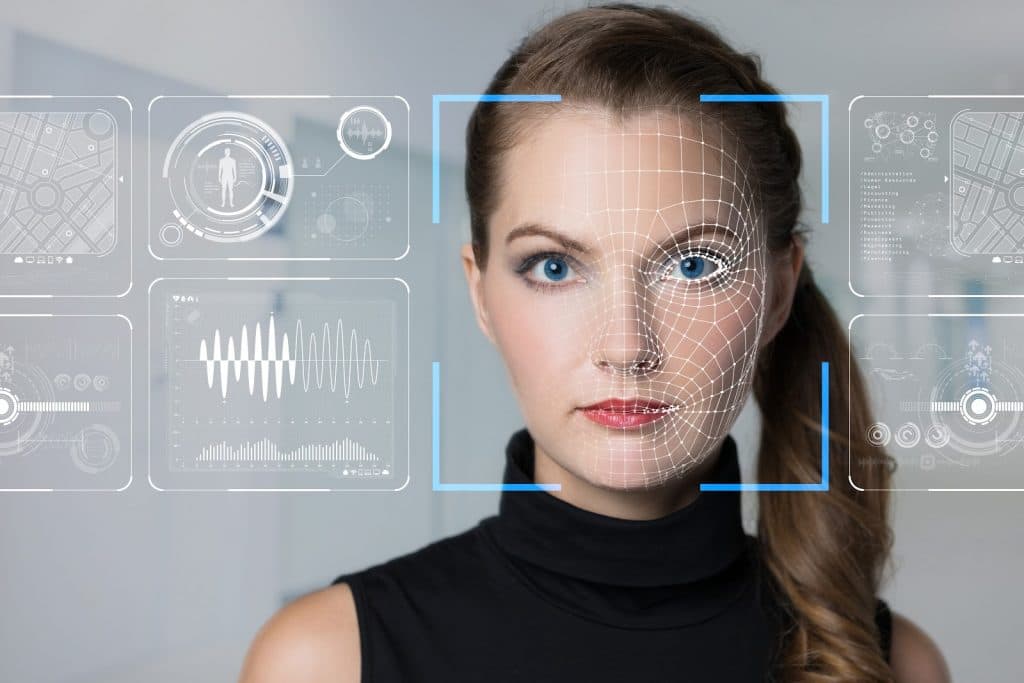
Computer vision is another area experiencing rapid growth due to advances in artificial intelligence and machine learning. Image recognition systems can now identify objects, faces, and scenes with remarkable precision. These technologies are widely used in security surveillance, medical diagnostics, and autonomous vehicles. For example, AI-powered systems can detect abnormalities in medical images, assisting doctors in early disease diagnosis. Retail businesses use computer vision to analyze customer behavior and optimize store layouts. Self-driving cars rely on advanced image processing to navigate roads safely. The integration of neural networks and large datasets has significantly improved accuracy levels. Advances in artificial intelligence and machine learning continue to enhance real-time image processing, enabling faster and more reliable decision-making systems. As hardware and algorithms improve, computer vision applications will become even more integrated into everyday devices and services.
Robotics and Automation Enhancements
Robotics has greatly benefited from advances in artificial intelligence and machine learning. Modern robots are no longer limited to repetitive factory tasks. Instead, they can adapt to dynamic environments and perform complex operations. AI-driven robots are used in manufacturing, healthcare, agriculture, and disaster management. In hospitals, robotic assistants help surgeons perform precise procedures. In warehouses, automated systems sort and transport goods efficiently. These intelligent machines learn from data and improve performance over time. Advances in artificial intelligence and machine learning allow robots to recognize objects, navigate spaces, and collaborate safely with humans. Automation powered by AI enhances productivity while reducing operational costs. As robotics technology progresses, industries are witnessing increased efficiency and improved workplace safety. The combination of sensors, machine learning algorithms, and real-time data processing continues to drive innovation in automation systems worldwide.
AI in Healthcare and Medicine

Healthcare is one of the most impactful sectors influenced by advances in artificial intelligence and machine learning. Predictive analytics helps identify disease risks before symptoms appear. AI-powered diagnostic tools analyze medical images and patient records with high accuracy. Personalized treatment plans are developed using machine learning models that study genetic information and medical histories. Hospitals use AI systems to manage patient flow and optimize resource allocation. Drug discovery processes have also accelerated due to intelligent algorithms that analyze chemical structures and predict potential outcomes. Advances in artificial intelligence and machine learning improve efficiency and reduce human error in clinical settings. Telemedicine platforms integrate AI tools to provide remote consultations and monitoring. As healthcare systems continue adopting intelligent solutions, patients benefit from faster diagnoses, better treatments, and improved overall care quality.
AI Applications Across Industries
The impact of advances in artificial intelligence and machine learning extends far beyond healthcare and robotics. In finance, AI models detect fraudulent transactions and analyze market trends. In education, adaptive learning platforms personalize study materials based on student performance. In agriculture, intelligent systems monitor crop health and predict weather conditions. Retail companies use recommendation engines to enhance customer experiences. The transportation sector benefits from predictive maintenance systems that prevent equipment failures. Below is a table highlighting key industry applications:
| Industry | Application Example | Benefit |
|---|---|---|
| Finance | Fraud detection systems | Increased security |
| Education | Adaptive learning platforms | Personalized learning |
| Agriculture | Crop monitoring with AI sensors | Higher productivity |
| Retail | Recommendation algorithms | Better customer service |
| Transportation | Predictive maintenance systems | Reduced downtime |
These advances in artificial intelligence and machine learning demonstrate how diverse industries leverage intelligent tools for growth and innovation.
Ethical Considerations and Challenges

Despite the benefits, advances in artificial intelligence and machine learning present ethical challenges. Issues such as data privacy, algorithmic bias, and job displacement require careful attention. Organizations must ensure transparency and fairness in AI decision-making processes. Biased datasets can lead to unfair outcomes, affecting social equality. Governments and policymakers are working to establish regulations that promote responsible AI development. Additionally, cybersecurity threats pose risks to intelligent systems handling sensitive information. Addressing these challenges is crucial to maintaining public trust. Advances in artificial intelligence and machine learning must align with ethical standards and societal values. Collaboration between researchers, businesses, and policymakers can help create frameworks that encourage innovation while protecting human rights and security.
Future Trends and Emerging Innovations
Looking ahead, advances in artificial intelligence and machine learning are expected to accelerate further. Quantum computing may enhance computational power, enabling more complex problem-solving. Edge AI will allow devices to process data locally, reducing latency and improving efficiency. Explainable AI aims to make algorithms more transparent and understandable. Integration of AI with the Internet of Things will create smarter homes, cities, and industries. Continuous research in generative models is expanding creative possibilities in art, design, and content creation. Advances in artificial intelligence and machine learning are shaping a future where intelligent systems collaborate closely with humans. As technology becomes more accessible, small businesses and individuals will also harness AI-driven solutions for innovation and productivity.
Conclusion
Advances in artificial intelligence and machine learning are revolutionizing industries, enhancing daily life, and redefining technological boundaries. From deep learning and natural language processing to robotics and healthcare applications, intelligent systems continue to evolve rapidly. These developments offer immense opportunities for economic growth, improved efficiency, and enhanced human experiences. However, ethical considerations and responsible implementation remain essential for sustainable progress. As research continues and innovation expands, advances in artificial intelligence and machine learning will play an even greater role in shaping the future of society. Embracing these technologies with awareness and responsibility ensures a balanced and beneficial transformation for generations to come.
Read More:- Latest Developments and Trends in Modern AI


